Student Debt Never Really Ends — Here’s the Real Cost
For millions of Americans, student loans don’t just delay success — they reshape careers, relationships, homeownership, and financial freedom for decades

I’m concerned that student debt is literally destroying a generation, and I don’t know how much longer our society can handle it.
I know that sounds super dramatic, but when I hear about people paying off their student loans for years only to end up owing more than they started with, I can’t help but think that something is broken here.
I have seen so many stories like that on the internet and from people I personally know. And the stats do not paint a great picture either.
Americans owe about $1.6 trillion in student loans as of June 2024, 42% more than they owed a decade earlier. The average student borrows over $30,000 to pursue a bachelor’s degree, and it may take borrowers close to 20 years to pay off their student loans.
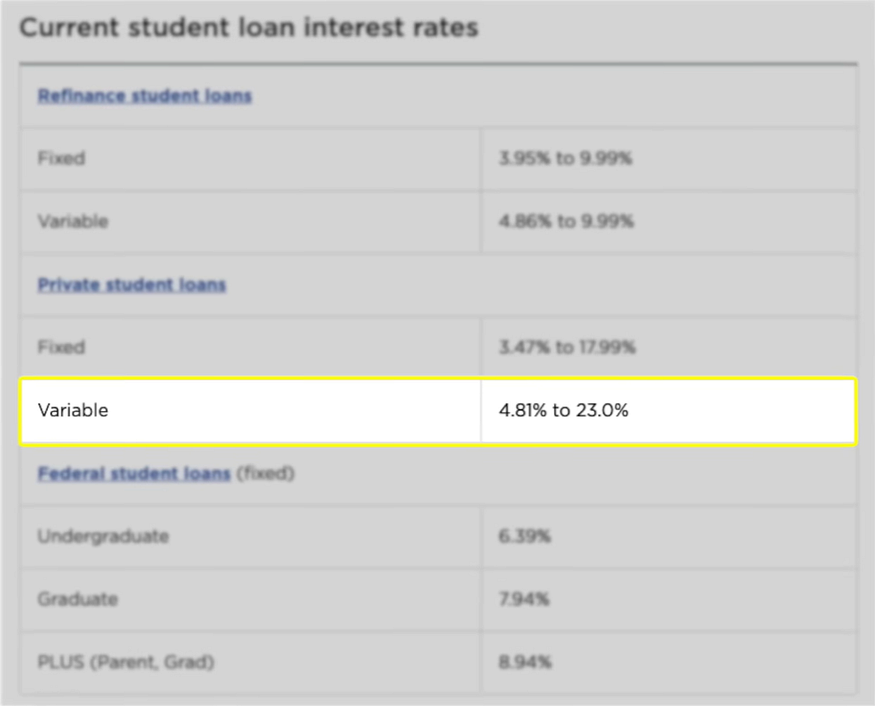
To me, these are not good signs. Not only does it feel awfully predatory to ask young adults, often only like 17 years old, to take out thousands of dollars in loans, especially since some of those loans can have interest rates as high as 23%, but it also feels like we are setting up a whole generation to be financially stressed.
Riddled with debt and unable to live productive, fulfilling lives.
Today, I’m going to dive into the world of student debt.
- Let’s break down the history of how we got here and how crippling debt was not always the norm.
- Let’s talk about the impact the student debt crisis has on everyone, not just those who take out the loans.
- Let’s talk about how recent policies are making things even tougher.
All right, so how did 1 get here?
#1. College Wasn’t Always So Expensive
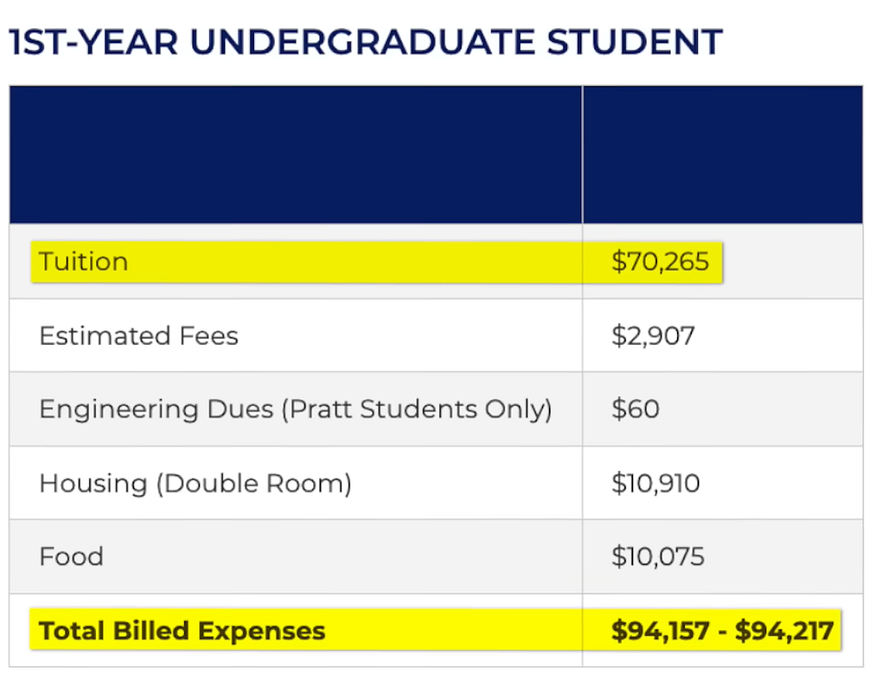
I went to Duke University for undergrad, and this coming school year, their tuition is over $70,000 a year.
Once you add room and board in, you are looking at spending over $94,000 a year, almost $400,000 by the time you graduate.
What’s crazy is that when I was at Duke, tuition was nearly $20,000 less than it is now.
Still a whole lot, yes, but I’m not that old. I was a student less than a decade ago, and yet it has already jumped over $20,000.
Even crazier, in 1950, tuition for schools like Duke cost $500 a year. That’s only about $6,700 in today’s money.
That means Duke’s tuition is over 10 times more expensive today, and Duke is certainly not alone in this price hike.
College overall has become so much more expensive, which in turn makes it so much harder for students to pay their way through school.
As the Seattle Times writer Danny Westneat shares, when he was a college student in the 80s, he made $120 to $240 a week working at KFC.
Meaning he could have paid off the University of Washington $687 annual tuition fees in just a month or two of working.
That’s a summer job right there that could make it so that you don’t have to take out a single loan for school.
Today, though, if you worked a full-time summer job that makes $15 an hour, and if you didn’t take a single week off or spend a single dollar on yourself, you could end that 10-week summer break with $6,000.
But based on last year’s tuition averages, that would only pay for 52% of in-state public tuition, 19% of out-of-state public tuition, and only like 8 1.5% of a school like Duke’s tuition.
So, if you ever have a grandparent try to tell you, “Well, back in my day, I worked my way through school.”
You might want to show them this story. It’s like comparing apples to oranges.
The bottom line is that college was not always so expensive, and why?
#2. How’d We Get Here?
Higher education used to be seen as a public good worth subsidizing during the mid-20th century.
It was an investment in the country’s future, which makes sense, right?
We all benefit when we have an educated society, as it makes us more competitive and richer.
But that sentiment started changing in the 1970s, and I didn’t know this until recently, but that change was largely pushed by Ronald Reagan when he was California’s governor.
Before him, California state colleges had been free for more than a century. But Reagan argued that taxpayers shouldn’t have to subsidize what he called quote intellectual luxuries.
That moment marked a huge ideological shift because instead of seeing higher education as something that we all invest in together, the costs were pushed more and more onto students themselves.
From there, states across the country followed California’s lead, gradually cutting back on funding and making students pick up the tab.
And once loans became the main way to pay for college, you can guess what happened next.
Tuition kept rising, and borrowing exploded. That ideological shift 50 years ago has had enormous ripple effects today.
As we saw earlier, college prices are staggering these days.
And so many young people now kick off their adult lives saddled with huge sums of debt.
My worry, and I’m sure I’m not alone in worrying about this, is that this student debt crisis hurts everyone, not just the people who have to pay back the loan.
Because when you put people in the position of extreme debt right off the bat, they’re forced to make decisions based on money rather than what would actually benefit society more.
For example,
- A law student wants to work at a small firm that defends against major polluters.
- A business student wants to start a new company that offers a more affordable product to the public.
- A biology student wants to work in niche cancer research.
But all 3 of them came out of school with nearly $100,000 of debt.
So instead of pursuing those jobs that could have a major positive impact, they instead opt for the job that can help them pay off their debt faster.
The lawyer works for a big law firm that defends polluters, the business student joins some global coffee brand that busts unions, and the biologist works for big pharma to help push lifestyle drugs. All that raw potential for innovation is just lost.
As one of my favorite quotes perfectly puts it, “The best minds of my generation are thinking about how to make people click ads.” And why?
Because making people click ads comes with a big paycheck, which is perfect if you have to pay off debt.
We see the same thing happening in medicine, where some med students leave with nearly half a million dollars of debt.
In this Time magazine piece, they talk about the huge shortage of pediatricians in the United States, saying, quote, “Although pediatricians undergo the same amount of training as other doctors and sometimes more, they are paid up to 25% less than other kinds of doctors.”
Medical students who average about $200,000 of debt may look at pediatrics and wonder how they’ll be able to get out of debt, afford a house, or raise their own children.
Student debt warps the market, which hurts all of us collectively, and of course, it hurts the individual.
#3. People Are Struggling
According to Pew Research, young college graduates with student loans are more likely than those without this kind of debt to say they struggle financially.
Obviously, I know, but what is less obvious are the different ways that the financial struggle affects people’s lives long term.
Student debt causes people to delay life milestones from buying a house to having kids, which makes sense, right?
If you’re financially stressed out and barely getting by on your loan payments, it is hard to imagine any kind of future, let alone act on it.
And what really gets me is that all of this, the burden student debt puts on people that can feel inescapable, it’s a result of choices that most folks make when they’re like 17 years old.
You know what I was doing at 17?
I was making weird videos on the internet about how chopsticks can make you look like a walrus.
Do we really believe a girl this age should be signing up for lifelong debt?
Now, some of you watching might not be from the United States, and so hearing me talk about the student debt crisis.
And spending decades paying off loans you took out as a teenager, you might think that I’m being dramatic, or this is just some like giant goofy American prank we like to pull on the world.
#4. Other Countries Don’t Do This
Other countries certainly don’t have nearly as high tuition costs, with some countries like Germany, Scotland, and Iceland just going full sending, no tuition costs.
And even the UK, which technically has a higher per-student loan debt on average than the United States, comes with a far less risky and less predatory repayment system.
In the UK system, your loan repayment works more like a tax than traditional debt because you only pay a percentage of your income above a certain threshold.
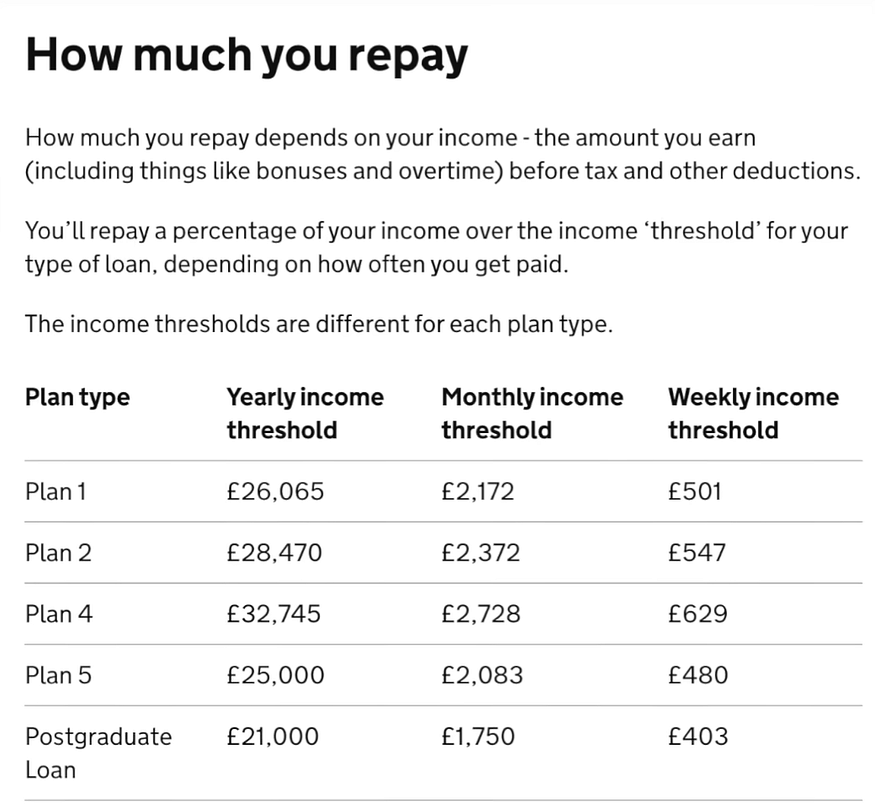
So, if your income is below that line, you pay nothing, and after 30 or 40 years, whatever is left just gets written off. It’s incredibly different than the US version of student debt.
In the US, we treat student debt like a mortgage that you can’t escape from.
Interest keeps compounding, balances can grow even while you’re making payments, and unless you hit very specific forgiveness programs, you could be stuck with it for decades.
It feels like a system that punishes people just for pursuing education. And the punishments only seem to be getting worse with new laws.
#5. “Big Beautiful Bill” Making These Worse
Even though there have been talks over the years about student loan forgiveness, the reality has become very different with the recent passing of the Big Beautiful bill into law by Republicans.
Quick reminder, the Big Beautiful Bill was that massive Republican-led legislation that was passed back in July.
It was sold as this beautiful law that was going to boost our country, but what it actually does is strip millions of health care and food assistance while giving the ultra-wealthy a trillion-dollar tax break. Not great.
And when you look at the law’s impact on higher education and student loans, it’s brutal.
Here are just a few of the effects.
#1. The big, beautiful bill made it so that after 2025, anyone who gets their loans forgiven through income-driven repayment will get hit with a giant tax bill.
Imagine finally being done with $40,000 of debt, only for the IRS to say, “Congrats. You now owe us $9,000 in taxes.”
That doesn’t feel like forgiveness; it feels more like trading one creditor for another.
#2. The law eliminates federally subsidized loans for new borrowers. That means from day one of college, your interest is ticking.
In the past, the government at least covered interest while you were still in school, but not anymore.
Now, your balance grows the entire time you are in class. We also now see the requirements to qualify for PEL grants rising from 12 credit hours a semester to 15.
That might sound minor, but for low-income students who often need to balance work and school, that is a deal breaker.
It makes it that much harder to access financial aid. On top of that, the bill now caps how much you can borrow from the federal system.
Where do students turn when they hit those caps?
They got to go to private loans, which, unlike federal loans,
- Come with sky-high interest rates
- No income-based repayment
- Almost zero protections
When we see those crazy videos about student debt with like 15 to 24% interest rates, that’s a result of private loans.
And unfortunately, we are likely going to see a whole lot more people have to take those on now.
And if that wasn’t enough, the big, beautiful bill also replaces existing repayment options.
Where repayment timelines used to look like 20 to 25 years, it’s now more like 30 years.
#6. The Trades Instead?
Maybe some folks out there might think, well, that’s why people have to go into the trades. College is overrated.
And while I do think that the trades are amazing and people should definitely consider that as a career path, honestly, trades didn’t come out unscathed either. From the big, beautiful bill.
Shawn McGarvey, who is the president of North America’s building trades unions, stated in June about the bill, saying, “This stands to be the biggest job-killing bill in the history of this country. Simply put, it is the equivalent of terminating more than 1,000 Keystone XL pipeline projects.”
#7. A Generation Being Destroyed
I say this all because I think it’s so important for us to understand:
- How the student debt crisis has been shaped.
- How is it being exacerbated by the new policy?
It is like we are throwing a whole generation into the arms of predatory private lenders and making it so that people can never escape their debt.
- Why don’t we want more doctors, lawyers, and teachers?
- Don’t we as a society want more educated people?
As I’ve been making this video, I have seen so many comments about people’s stories, and they’re heartbreaking. This attorney, who has over $200,000 of student debt, this college professor, who has paid $17,000 toward her debt and yet now owes over $50,000 more than she originally owed, or this dentist, who owes a debilitating $348,000 in student loan debt.
Like, come on, make it make sense.
From a personal finance standpoint, this is so frustrating to see. We’re not setting people up for success at all.
And it’s especially frustrating when you think of all the ways that we could be improving the system.
Whether it’s through capping predatory interest rates and tuition costs, providing targeted loan forgiveness, or boosting PEL grants, or even doing things like free community college and tuition-free public universities, as some other countries have.
To bring up one of the all-time greatest quote givers, Benjamin Franklin, he once said, “An investment in education gives the best returns.”
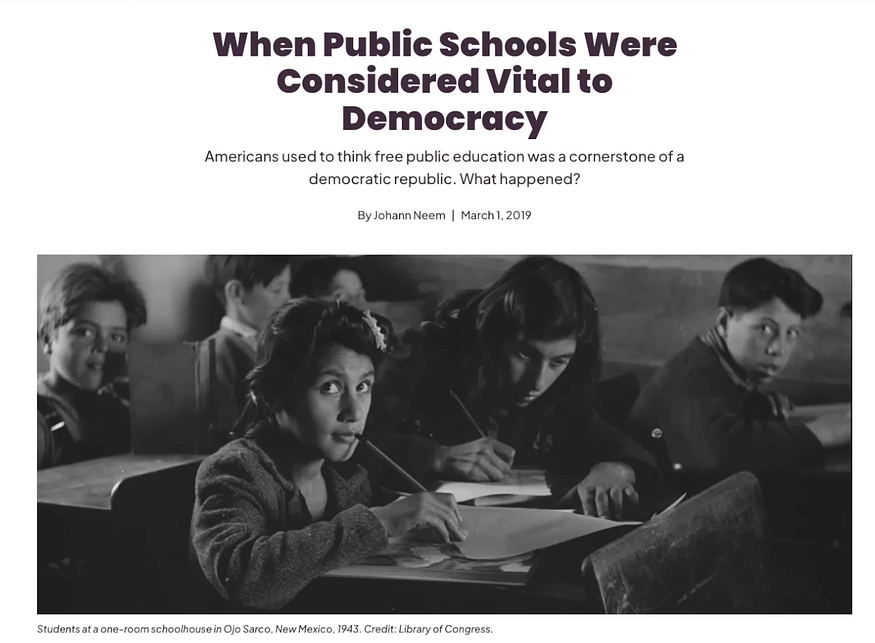
He, like many other critical figures throughout history, believed in the power of affordable and accessible education and the idea that education strengthens a country.
And that’s why I believe that right now, student debt is destroying a generation.
It’s destroying individual futures and our collective future as a society.
But what do you think?
- Do you have any student debt?
- What has that been like?
- What do you think of the student debt crisis?